



Game info
Action, Arena, Team multiplayer
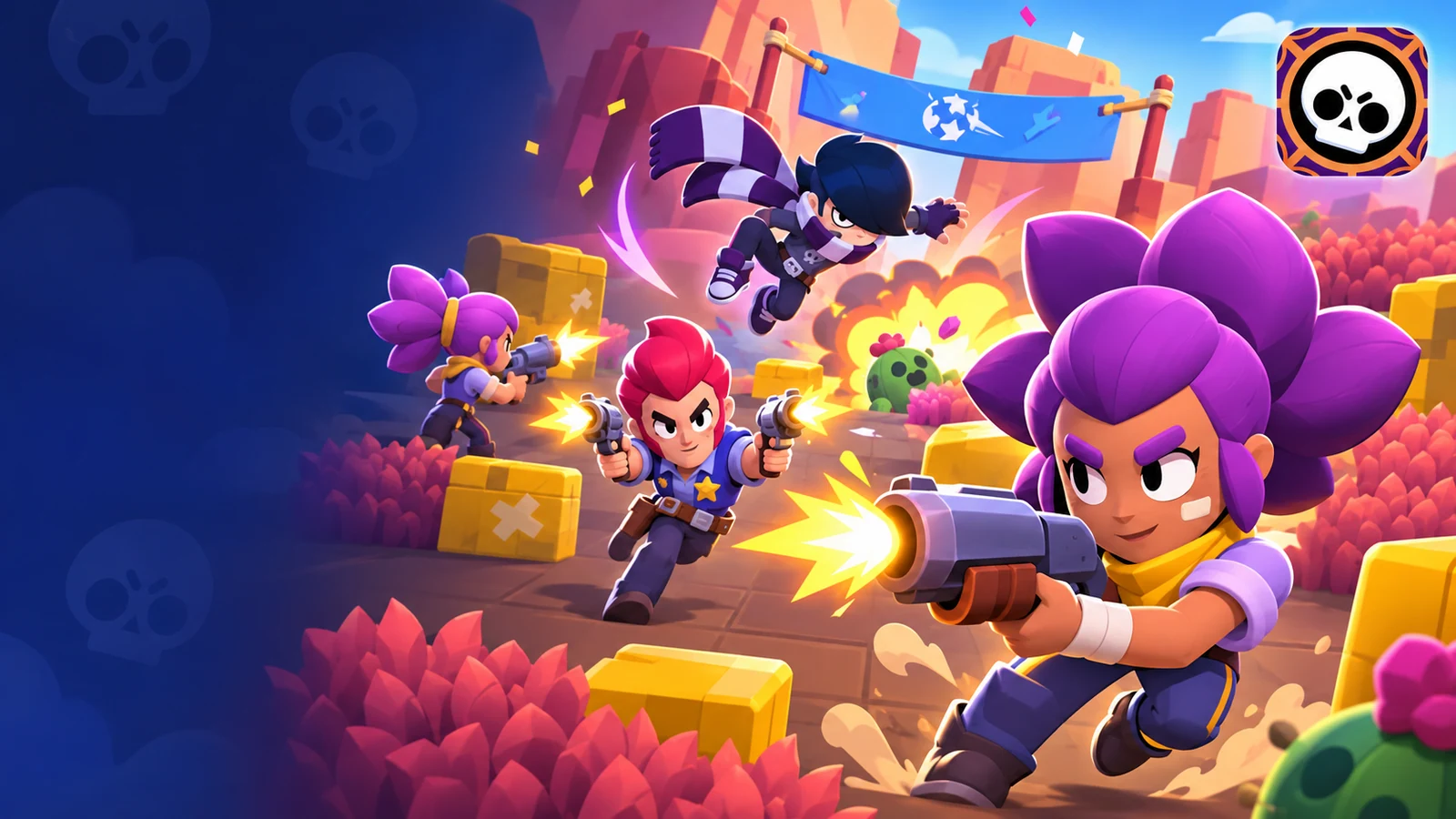
Brawl Stars is Supercell’s action game of short battles with different Brawlers, maps and objectives. Positioning and working towards the mode’s win condition matter as much as landing shots.
About Brawl Stars
Brawl Stars is Supercell’s action game of short battles with different Brawlers, maps and objectives. Positioning and working towards the mode’s win condition matter as much as landing shots.

Gameplay overview
Choose a Brawler, read the active mode and use attacks, cover and movement to contest the objective. Different maps reward different ranges and approaches. The official game rotates modes and events, so a static website should not promise that every event is always available.
How to Play
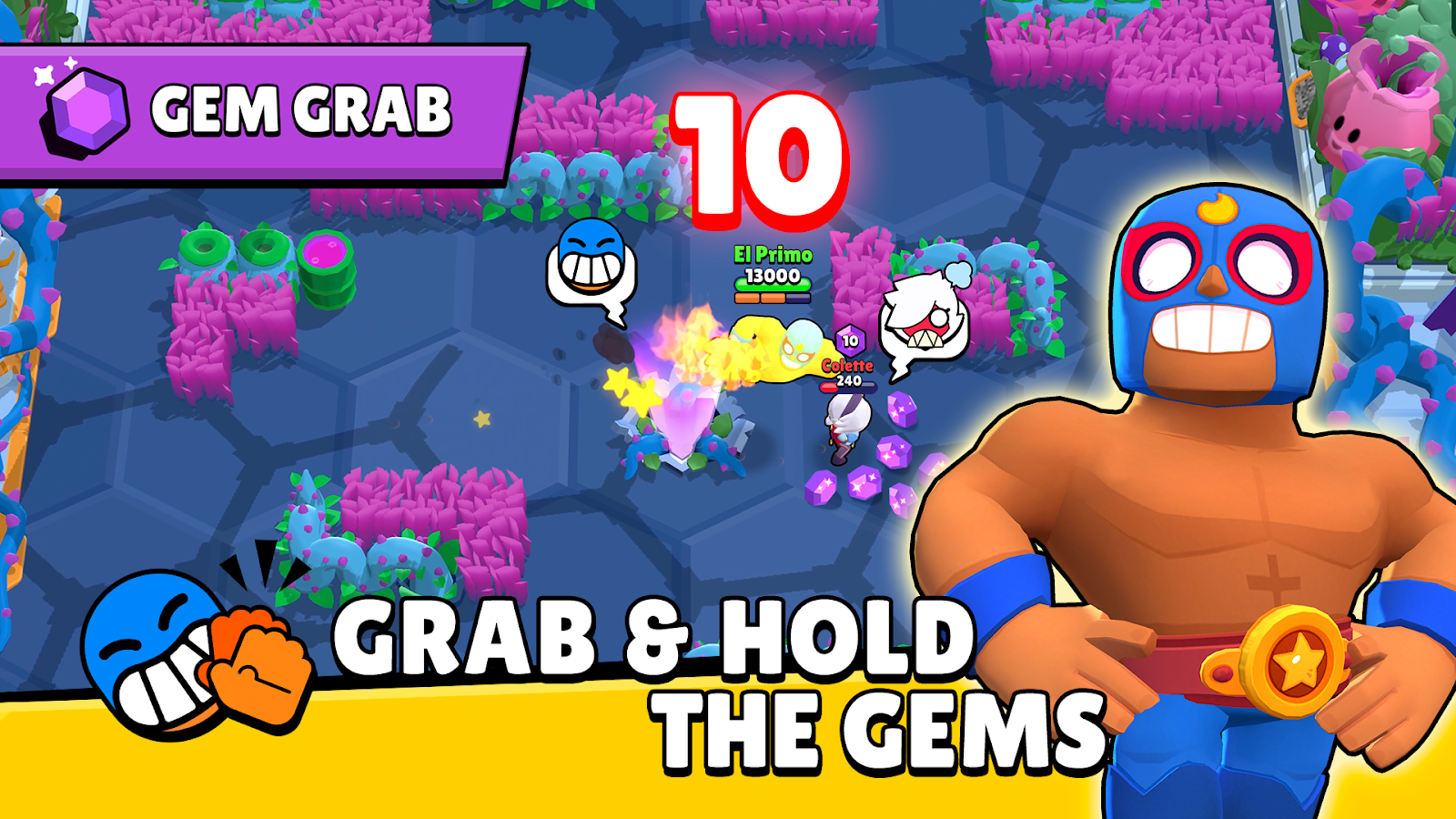
Begin with the mode’s objective: collecting and protecting gems asks for different risks from surviving a Showdown. Keep an escape route near cover and avoid spending every attack when an opponent can safely wait. A useful team contribution may be holding a lane or protecting an objective carrier rather than chasing a distant elimination.
Controls
Official mobile game: movement stick, attack aiming and on-screen ability controls. Browser fan games use their own keyboard, mouse or touch layouts.
Pro Tips
- Read the active mode before selecting a play style.
- Use cover to manage exposure to long-range attacks.
- Watch teammates’ positions before pushing alone.
- Use current Supercell support for changing event rules.
Making Better Decisions
A useful practice session focuses on one role and one mode. Notice where your Brawler can threaten an opponent without standing in the opponent’s best range. When the objective changes hands, reconsider whether to push, protect or retreat instead of continuing the previous chase. Cover and teammates can create an opening, but moving into a lane alone may remove the chance to recover. Observe the result of an attack before spending the next available action: an opponent who has moved behind cover may no longer be a useful target. This approach improves decision quality without promising a particular rank. Fan games, box simulators and official Brawl Stars have different systems, so keep their advice and rewards separate.
Features, Modes and Progression
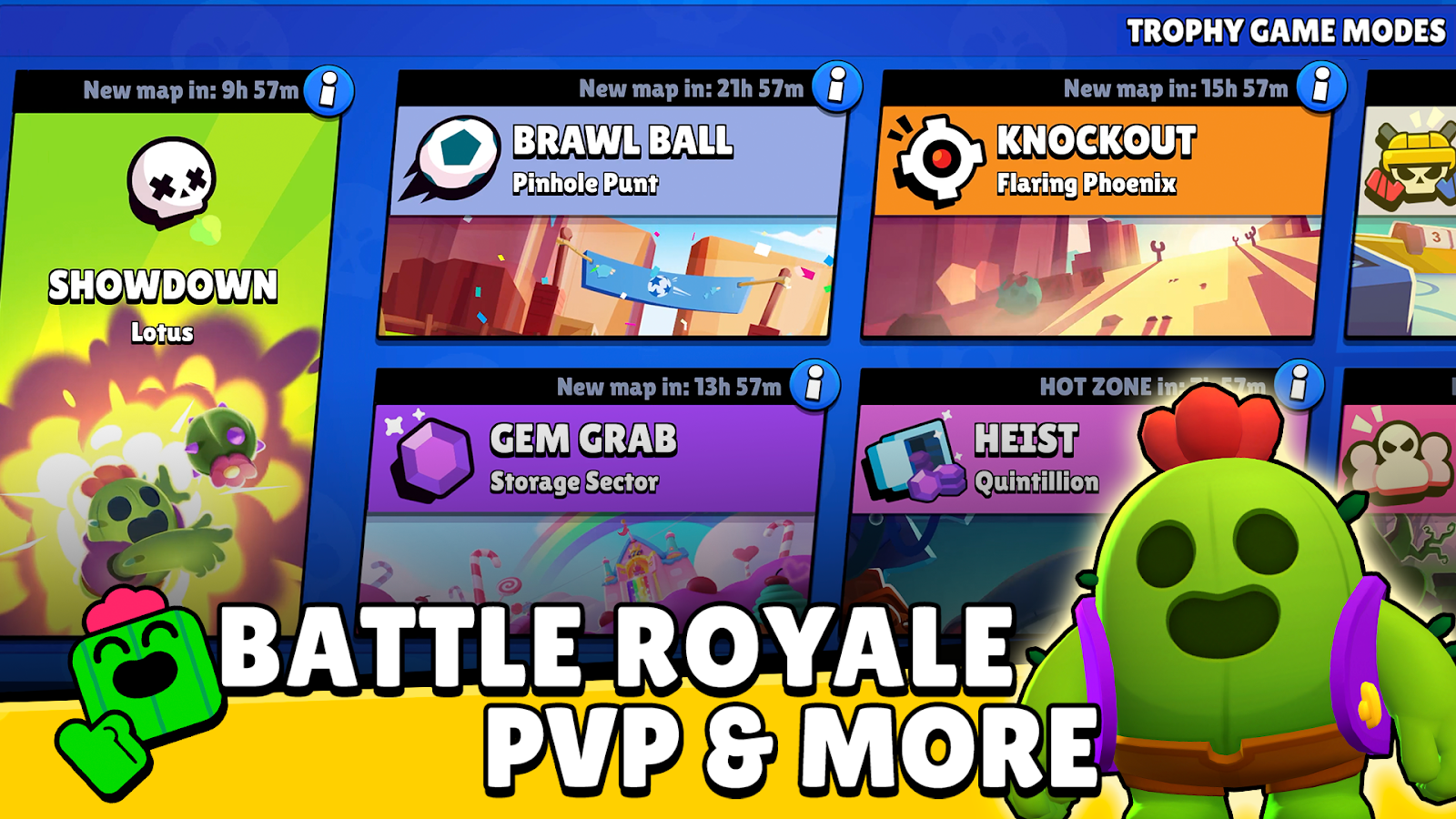
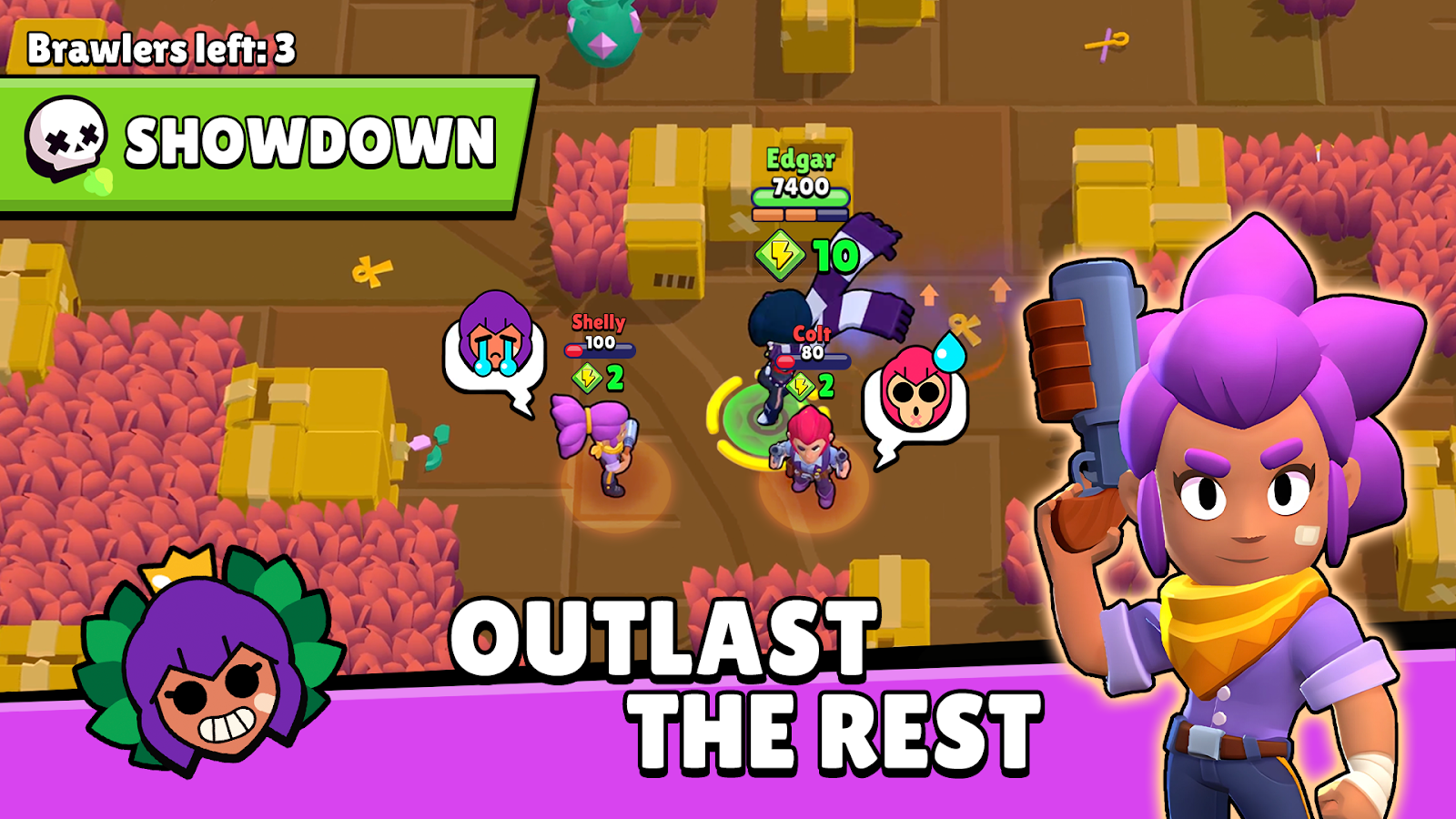
Brawler availability, upgrades and seasonal features change. Official support distinguishes Gem Grab, Showdown, Knockout and other modes; details from a browser box simulator must not be applied to the native game.
Read the mode objective before choosing a fight
A useful encounter is one that helps the team’s current objective. Chasing an opponent away from the important area can be a poor trade even when the chase ends well. Notice where teammates are, what space needs protecting and how much room remains to retreat. Choose an opening you can support rather than treating every visible opponent as the next target. The current mode and character kit determine what that support looks like.
Keep an option after using an ability
An ability can create pressure without making a position safe indefinitely. Consider where you will move after using it and whether a teammate can make use of the opening. If a repeated attack pattern fails, compare distance and timing before blaming the character choice. A small change in position can reveal whether the problem was the action or the moment you chose it.
Brawlers, Supers, gadgets and different roles
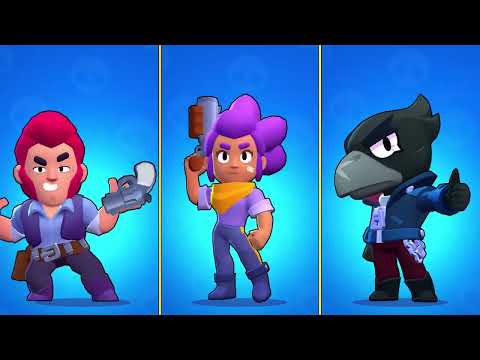
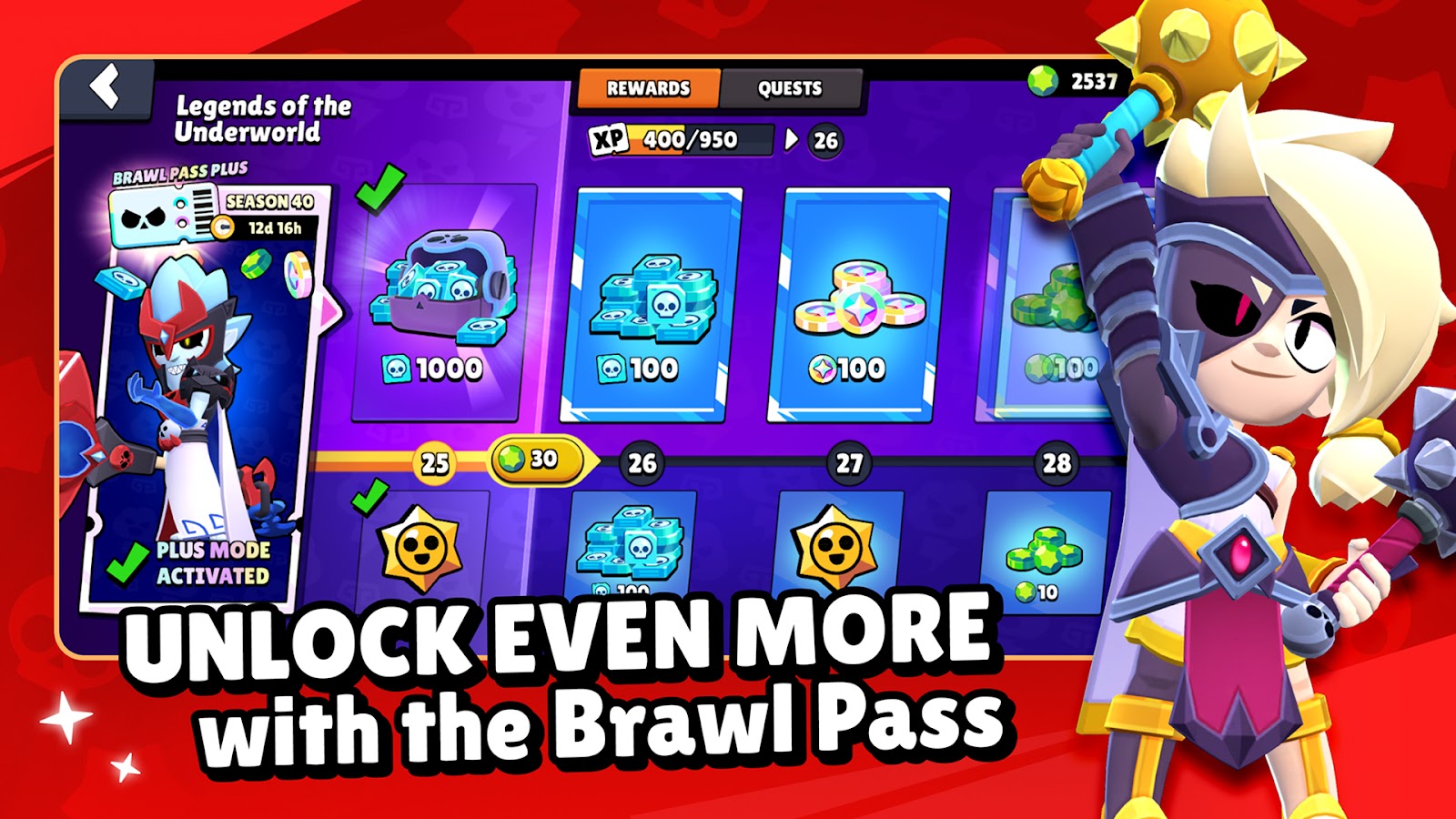
Brawl Stars builds its roster around Brawlers with distinct attacks and powerful Super abilities. The published game also describes progression involving gadgets, star powers and skins. These systems do different jobs. An ability changes what the character can do in an encounter; a cosmetic appearance gives it a visual identity. Read the current character information instead of treating every unlock as the same kind of improvement.
Choose a Brawler whose basic range and attack you can understand before trying to learn the whole roster. Then compare how its tools contribute to the selected objective. A close-range approach, a long lane and a crowded area can reward different choices. A character is most useful when its strengths fit the position and the team's needs.
Gem Grab, team arenas and solo survival
The published product combines short team arenas with battle-royale-style play and other changing modes. Gem Grab is one of its named team objectives: collecting and protecting the relevant resource creates priorities beyond winning a single exchange. Other mode choices change what the team should defend or pursue. Check the active rules and team sizes rather than assuming every Brawl Stars match is identical.
In a resource objective, a successful attack may create room to collect or retreat. In a survival-oriented setting, preserving a useful position can matter more than immediately pursuing every opponent. Those differences are the reason to read the mode before the first fight. Current events and balance changes belong to the game's latest information, while awareness of range, cover, teammates and the actual target remains useful across updates.
A Brawl Stars match has an objective beyond eliminations
Brawl Stars brings short team battles into compact arenas, but the purpose of a fight depends on the selected mode. Before moving towards an opponent, read what the team is trying to hold, collect, protect or score. An elimination is useful when it creates progress towards that objective. Chasing a retreating rival away from the important area can give up the position the team needed.
Look at the map and your teammates together. Open space, cover and narrow approaches create different opportunities for different Brawlers. A character's attack is only one part of the decision; its range and the space needed after attacking matter as well. Begin with a position you can understand and a route that lets you return to support rather than committing to every visible encounter.
Range, cover and leaving a way to recover
Keep enough distance to use the selected Brawler's actual strengths. Moving close simply because an opponent is visible can place you in a range that favours the other character. Use cover and open lanes to compare where an attack is likely to travel. If the same approach fails repeatedly, change the position or timing before deciding that the character choice is the only problem.
Think about the move after an attack. Using an ability can create an opening without making the position safe indefinitely. Notice where you will retreat, where a teammate can help and whether an enemy can approach from another lane. This is especially useful when the arena becomes crowded and the most obvious opponent is not the only source of pressure.
Treating an ability as a decision, not a flashing button
A ready ability is an option. Its value depends on what it will change at that moment. You might use it to create space, support a teammate or make an important objective easier to reach. Activating it immediately whenever the button becomes available can waste the opening it could have created later.
Read the selected Brawler's current ability information in the game. Character balance and progression systems change, so avoid applying a fixed damage number or old upgrade rule to every release. Learn what the action does, how much space it affects and what position remains afterwards. Those observations are more durable than memorising a temporary statistic.
Working with teammates in a short match
Team play is often about using the same opening. If one player draws pressure, another may have room to advance the objective. Watch those opportunities instead of treating the match as several unrelated duels. Returning to defend an important area can be more valuable than finishing a distant chase.
When communication options are available, use the game's supported features and keep messages focused on the match. A short game leaves little time for a complicated plan. A clear shared direction, useful spacing and awareness of the objective can improve cooperation without requiring everyone to perform the same action. If the match feels disorganised, choose one responsibility you can fulfil reliably.
Learning a Brawler without confusing every mode
Start by understanding a character's basic attack and movement in a familiar situation. Notice the comfortable range and the recovery needed after using an ability. Then bring those observations into a mode with a clear objective. Changing the character, map and mode after every result makes it harder to tell which part of the performance needs attention.
After a match, choose one exchange to review. Were you too far away to make the attack useful, too close to recover, or fighting while the objective was unprotected? Each calls for a different adjustment. Practising that one adjustment in the next match is a more useful goal than expecting every session to produce a higher result immediately.
Official Brawl Stars information and account safety
Supercell's Brawl Stars page identifies the original game and official product destinations. For changes to Brawlers, account questions and current systems, use the game and Supercell support. Do not provide an account password to an external page promising free currency or guaranteed competitive progress.
The related collection offers other compact arena and action games. Some emphasise solo survival, others team movement or character abilities, so check the individual rules before choosing one. Brawl Stars is most satisfying when the character's tools, the team's position and the current objective support the same decision. That relationship gives even a short match something useful to learn.
Worked example: a tempting reward in a crowded area
Imagine that the reward or opponent you want to reach is close to a boundary or another moving threat. Inspect the route out before entering. A short gain can leave the player in a position with fewer safe choices. Compare that approach with one that keeps more space available, even if it delays the immediate reward.
Once the area becomes crowded, be willing to change the objective from approaching to recovering room. That is a decision about the current position rather than an admission that the whole attempt has failed. Notice which earlier movement made the area restrictive. A wider approach on the next attempt can be more useful than a faster last-second correction.
Worked example: using an ability without a follow-up position
A ready ability creates an option, not a command to activate it immediately. Before using it, consider where the player will be after the effect. Does it create room, help the current objective or merely move the problem somewhere else? Read the actual ability information in the selected game; similar-looking arena titles do not share one set of effects.
Test a new ability in a situation you already understand. That makes the result easier to compare. If it changes movement or range, give the next route time to adapt. Progression can improve the player's tools while leaving a repeated positioning mistake untouched.
Keep movement and observation connected
Choose a comfortable view and confirm the movement input in an opening area. If camera control is separate, practise moving and looking one action at a time before entering pressure. During play, look for the next useful patch of space rather than following one threat so closely that the wider area disappears from attention. After an unsuccessful encounter, identify a particular route or distance to change. A clear adjustment gives the next attempt a purpose and makes a successful recovery something you can recognise and repeat.
Related games
Frequently asked questions
Does a browser box simulator give rewards to my Brawl Stars account?
No official reward transfer is established. A fan simulator’s inventory is separate.
Is every Brawl Stars mode about eliminations?
No. Modes use different objectives, including collecting, protecting, scoring or surviving.
Who develops or publishes Brawl Stars?
Supercell
Which controls should I use?
Official mobile game: movement stick, attack aiming and on-screen ability controls. Browser fan games use their own keyboard, mouse or touch layouts.
Is the browser player the exact original game?
Brawl Stars Warfire, Brawl Royale and box-opening simulators are fan/browser adaptations. None is assumed to connect to Supercell ID or award official account items.
Is it free?
The observed Google Play listing is free to download and offers in-app purchases. A browser alternative has its own provider terms and may include adverts.
Can I use my official account or saved progress in a browser alternative?
No account, purchase or save transfer is established unless the developer explicitly documents it for that build.
What games should I try next?
Compare Brawl Stars, brawler arena, Brawl fan games, team battle. The related list prioritises shared mechanics and preserves each game’s real identity.
Good game? Tell us.0
Share a tip, celebrate a high score, or tell us what you think. Keep it friendly.